
Prioritizing Child Safety
Our Commitment to Safety
At YMCA Camp Carter, the safety and well‑being of every camper and guest is our highest priority. Our team follows a comprehensive Emergency Action Plan (EAP) that clearly outlines how we respond to medical situations, severe weather, missing participants, facility concerns, utility outages, and other emergencies. Through regular training, drills, and preparation, our staff are equipped to respond quickly, calmly, and with coordination in any situation.
This overview is a simplified summary of YMCA Camp Carter’s full Emergency Action Plan. Our staff receive extensive training on a much more detailed set of emergency procedures, response roles, and operational protocols to ensure readiness at all times. This public summary is intended to provide parents, guardians, and our community with confidence in how we keep participants safe, while maintaining appropriate security and operational discretion.


A Praesidium Accredited Organization
Praesidium is a leader in abuse risk management that specializes in helping organizations protect youth and vulnerable adults in their care from abuse. The accreditation process is a rigorous objective method of determining that an organization meets the highest standards of abuse prevention. The YMCA of Metropolitan Fort Worth is an accredited organization. Training spans all levels from the CEO, to volunteers, office staff and those directly involved with programs.
Safety is Everyone’s Responsibility
- KNOW
Know policies and be able to recognize boundary violations. - SEE
Keep eyes and ears open for signs of abuse. Talk with your child. - RESPOND
See warning signs or hear something? Report it immediately. - TRUST YOUR INSTINCTS
If something seems “strange,” don’t wait. Please speak up.
Certified Lifeguards
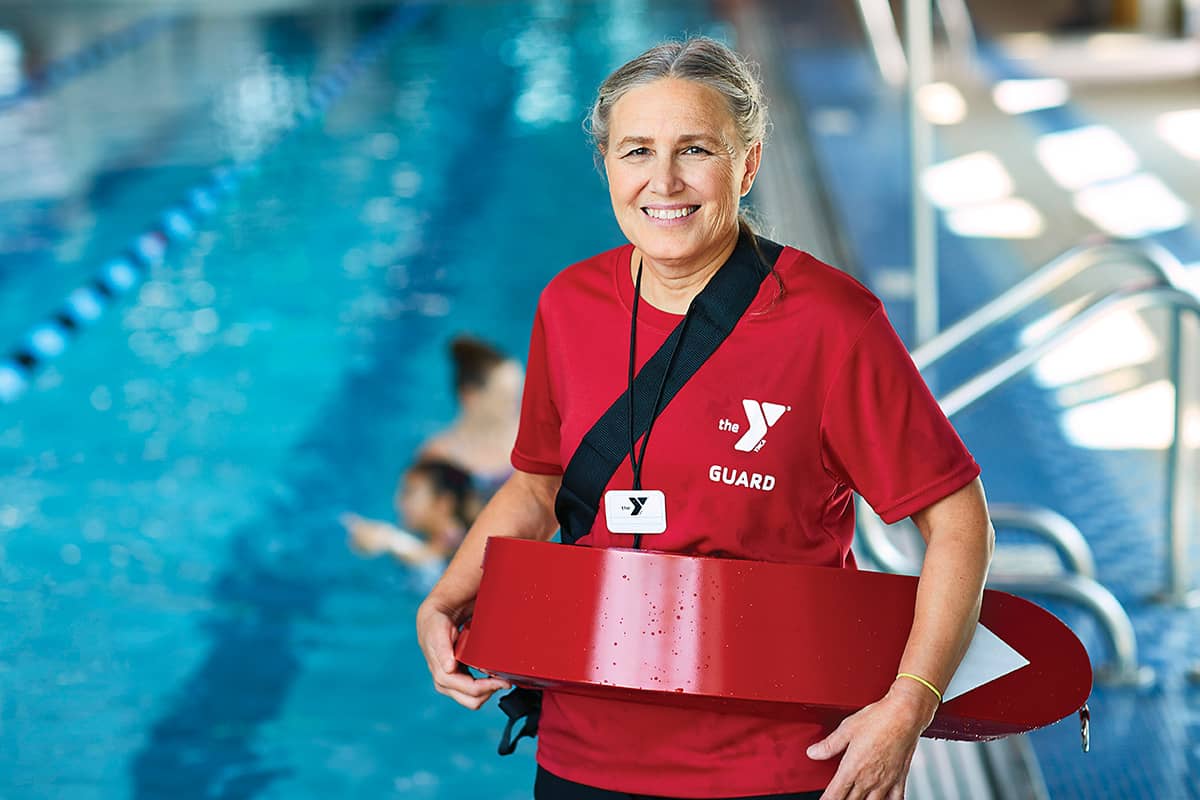
We only employ certified lifeguards for our pools and waterfronts.

Monthly Member Screenings
Using a national service, members are screened monthly.

Staff & Volunteer Screening
A background check is required for staff and volunteers and is repeated annually.
Emergency Action Plans
Clear, timely communication is central to safe emergency response at Camp Carter. To ensure fast and reliable information sharing, we use:
-
Weather Monitoring
-
NOAA / National Weather Service (NWS) weather alert radios are installed in every building on camp, including all cabins.
-
Camp leadership actively monitors weather conditions throughout camp sessions, including overnight; there is always a Leader on Duty.
-
-
Two‑Way Radios
-
Radios are the primary communication tool for on‑site staff.
-
Emergencies are communicated using plain language with the type of emergency and location.
-
-
A state-of-the-art camp‑wide public address (PA) system allows for immediate alerts when needed. This can be activated via cell phone, two-way
radios, and manual activation. -
Cell Phones
-
Used as a backup system and for communication with emergency responders, YMCA leadership, and parents when appropriate.
-
-
Dual Internet Providers
-
In alignment with Texas Laws HB1/SB1, YMCA Camp Carter has multiple internet providers including:
-
Spectrum Fiber – Main Camp / Welcome Center
-
Spectrum Broadband – Main Camp
-
AT&T DSL – Equestrian Center
-
-
Multiple internet providers ensure redundancy in the event of an emergency.
-
Maintaining accountability of every camper is a key safety expectation at Camp Carter.
How Accountability Works:
-
Campers are assigned to specific counselors and program staff.
-
Daily rosters are maintained and backed up in multiple locations (in offices, health center, with counselors, and electronically).
-
Headcounts occur:
-
Before and after transitions
-
Upon arrival at emergency assembly areas
-
During extended incidents
-
After relocation or evacuation
-
If Someone Cannot Be Accounted For:
-
Camp leadership is notified immediately.
-
Nearby and high‑risk areas are checked.
-
If not resolved quickly, the Missing Person Emergency Action Plan (Code AMBER) is activated and 911 is contacted.
Camp Carter prepares staff to respond quickly and calmly to a wide range of situations.
Fire or Smoke
-
Fire alarms are activated and 911 is called immediately.
-
Campers and staff evacuate using posted routes to designated assembly areas.
-
Accountability checks are completed before any re‑entry.
Security or Dangerous Situations
-
Our priority is the protection and supervision of campers.
-
Responses may include evacuation, lockdown, or shelter‑in‑place depending on conditions.
-
Law enforcement is contacted as appropriate.
-
Campers remain under supervision until an official “All Clear” is given.
Medical Emergencies
-
Transitions from first aid to emergency response when needed.
-
AEDs, first aid, and oxygen are available across camp.
-
911 is called for life‑threatening conditions.
-
Parents or guardians are notified promptly.
Missing Person
-
Immediate activation of a camp‑wide response.
-
Organized search teams deploy to priority areas (cabins, waterfronts, trails, buildings).
-
If a camper is not located promptly, 911 is contacted and parents are notified.
Severe Weather
Thunder & Lightning
-
Outdoor activities stop immediately.
-
Campers move indoors.
-
Activities resume only after 30 minutes without thunder.
Tornado or Severe Storm Threat
-
Shelter‑in‑place procedures are followed.
-
Campers move to interior, windowless spaces on the lowest level.
-
Accountability is maintained throughout the event.
Flooding
-
Portions of camp are in a mapped floodplain.
-
Evacuation routes and muster points are clearly posted.
-
Campers are relocated to flood‑safe or elevated areas as needed.
-
Off‑site evacuation is coordinated if required.
Utility Emergencies
Examples include power outages, water loss, or gas/propane issues.
-
Maintenance and leadership respond immediately.
-
Gas smells or leaks trigger immediate evacuation and 911 notification.
-
Campers are relocated or activities adjusted based on conditions.
Transportation or Off‑Site Incidents
-
Emergency services are contacted immediately.
-
Campers are moved to a safe area.
-
Parents or guardians are notified as soon as possible.
Wildlife or Environmental Concerns
-
Activities pause if wildlife presents a safety concern.
-
Camp leadership and animal control are contacted when necessary.
-
Areas remain closed until safe to reopen.
Camp Carter maintains posted evacuation routes and muster locations across campus.
Primary Assembly Areas
-
Outdoor Muster Zones
-
Main Access Gate
-
Equestrian Center (high ground)
-
-
Indoor Shelter Zones
-
Dining Hall
-
If Evacuation Off‑Site Is Required
-
Camp Carter coordinates transportation and accountability with emergency responders.
-
Campers are supervised at all times.
-
Families are notified promptly with verified information.
-
If camp must evacuate the property: Camp Carter will transport to Amon G. Carter, Jr. Downtown YMCA (512 Lamar Street).
Only emergency personnel or camp leadership may authorize re‑entry after an evacuation.
Emergency response roles are clearly defined within our full EAP and include:
-
Person in Charge / Incident Commander
-
Program and Camp Directors
-
Camp Nurses / Medical Staff
-
Facilities and Maintenance Leadership
-
Trained seasonal staff
All staff receive annual emergency preparedness training. There is always a designated Leader on Duty during all operating hours.
Camp Carter follows a structured communication plan consistent with Texas youth camp regulations.
Families Are Notified When:
-
A camper experiences a serious medical issue or any type of head injury
-
Emergency services are involved
-
Evacuation, lockdown, or shelter‑in‑place occurs
-
A camper is temporarily unaccounted for
-
Weather or other emergencies affect operations
-
Camp schedules or operations change due to an emergency
Communication Methods
-
Direct phone calls for medical emergencies or missing campers
-
Email and mass notifications for weather or camp‑wide situations
-
Follow‑up messages once situations are resolved
All communication is:
-
Calm, factual, and timely
-
Coordinated with emergency responders
-
Free from speculation
How Families Can Help
-
Keep emergency contact information current in Campminder.
-
Ensure authorized pickup lists are accurate.
-
Talk with campers about following staff directions during emergencies.
-
Follow instructions during delayed pickup or shelter‑in‑place events.
A complete version of YMCA Camp Carter’s Emergency Action Plan can be found here and explained in a 1:1 meeting with families if requested.
If there is a specific incident type you are curious about or if you have a question about an incident response listed above, please contact the YMCA Camp Carter Leadership Team at camper@ymcafw.org.
Additional Key Safety Information
The counselors, instructors, and leaders at YMCA Camp Carter are carefully selected, extensively trained, and deeply committed to youth development
and safety. Staff preparation is intentionally thorough to ensure campers are supported in every environment across camp.
Comprehensive Staff Training
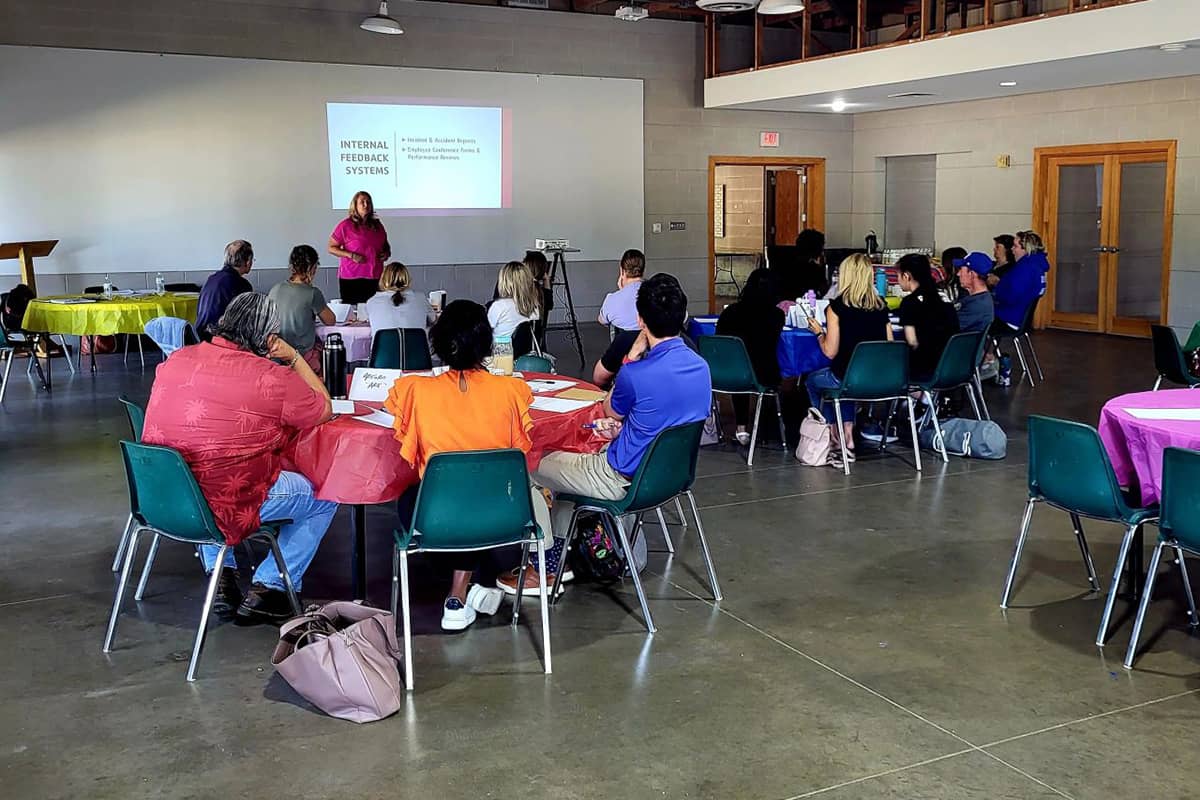
Before campers arrive, staff complete multiple weeks of pre‑season training, followed by continuous in‑season refreshers. Training includes:
-
Youth development and age‑appropriate supervision
-
Behavior guidance, inclusion, and trauma‑informed care
-
Emergency Action Plan (EAP) procedures and drills
-
Camper supervision expectations
-
Role‑specific certifications (aquatics, ropes, boating, equestrian, etc.)
-
Annual citywide YMCA emergency preparedness and safety training
All staff participate in camp‑wide drills for evacuation, shelter‑in‑place, medical emergencies, and severe weather.
Background & Reference Checks
Every Camp Carter staff member and volunteer undergoes a comprehensive clearance process before working with campers, including:
-
National criminal background check
-
National Sex Offender Registry check
-
Multiple professional and personal reference checks
Praesidium Accreditation
YMCA Camp Carter is Praesidium Accredited, reflecting our adherence to the highest standards in abuse prevention and youth‑serving best practices.
This includes:
-
Mandatory abuse prevention training for all staff
-
Clear supervision and boundary policies
-
Ongoing reporting, monitoring, and accountability systems
-
Confidential resources available to staff for guidance and reporting
CPR, First Aid, and AED Certification
Staff who supervise campers are trained and certified as required for their roles, including:
-
CPR, First Aid, and AED certification
-
Lifesaving skills appropriate to activity areas
-
Reinforcement of medical emergency procedures throughout the season
Camp Carter maintains AEDs, first‑aid supplies, and emergency equipment across campus, integrated into our Emergency Action Plan.
Aquatic safety is a cornerstone of Camp Carter’s operations.
-
All swimming and boating activities are supervised by YMCA‑certified lifeguards
-
Lifeguards are trained under YMCA lifeguarding standards, including:
-
Pool certification
-
Waterfront module training
-
Open‑water rescue procedures
-
-
Life jackets are required for all boating and designated waterfront activities
-
Aquatics emergencies follow a clearly defined and practiced EAP (Code BLUE)
-
A Certified Pool Operator (CPO) is always on-site during operating hours to ensure proper chemical balance and pool maintenance.
Camp Carter maintains American Camp Association‑recommended camper‑to‑staff ratios across all programs. These
ratios far exceed the expectation set by Texas state youth camp standards.
-
Campers are assigned to consistent counselors or group leaders
-
Staff maintain active supervision during all transitions and activities
-
Headcounts and rosters are used throughout the day to ensure accountability
ACA-Accredited Overnight Camp Ratios (Staff:Camper)
-
Ages 4–5: 1:5
-
Ages 6–8: 1:6
-
Ages 9–14: 1:8
-
Ages 15–17: 1:10
ACA-Accredited Day Camp Ratios (Staff:Camper)
-
Ages 4–5: 1:6
-
Ages 6–8: 1:8
-
Ages 9–14: 1:10
-
Ages 15–17: 1:12
For any staff member operating a vehicle on behalf of the camp:
-
A Motor Vehicle Record (MVR) check is completed and reviewed
-
Staff must maintain appropriate personal liability insurance
-
Staff must pass a drug screening
-
YMCA driving policies and safety standards are strictly enforced
-
Only authorized staff may transport campers, and only in approved vehicles, and never alone
YMCA Camp Carter operates a dedicated Camp Infirmary during summer camp programs.
-
Licensed medical professionals (nurses or medical staff) are on site
-
Medical staff are available 24 hours a day when campers are present
-
Spaces allow for appropriate care and confidentiality
-
Medical staff coordinate directly with emergency responders when needed
Flood Awareness & Preparedness
-
Portions of Camp Carter are located in a FEMA‑mapped floodplain; however:
-
Flood‑safe muster points and evacuation routes are clearly posted
-
Families receive floodplain disclosures as required by Texas law
-
Staff are trained annually on flood response and evacuation procedures
-
-
Elevated areas and non‑flood‑zone facilities (including the Equestrian Center) are used for relocation when needed
-
Camp Carter’s FEMA Map is located at this link
YMCA Camp Carter is accredited by the American Camp Association, meeting or exceeding hundreds of standards related to:
-
Health and medical care
-
Staffing, training, and supervision
-
Emergency preparedness and risk management
-
Program quality and facility safety
ACA accreditation reflects Camp Carter’s commitment to continuous improvement and nationally recognized best practices.
YMCA Camp Carter is licensed by the Texas Department of State Health Services (DSHS) as a youth camp and operates in compliance with all applicable
state health, safety, and emergency preparedness regulations.
As part of this licensing process, Camp Carter:
-
Maintains a comprehensive Emergency Action Plan (EAP)
-
Trains staff annually on emergency procedures and camper safety
-
Undergoes regular review and oversight by state authorities
-
Shares a public summary of our Emergency Action Plan with families
Questions or Concerns
Families, staff, or community members who wish to report a concern or submit a complaint related to camp operations may contact the State of Texas
directly.
To submit a complaint to the Texas Department of Health and Human Services – Youth Camp Program, please visit:
https://www.dshs.texas.gov/youth-camp-program/complaint-process-youth-camp-program
Complaints submitted through the state process are reviewed independently by DSHS.